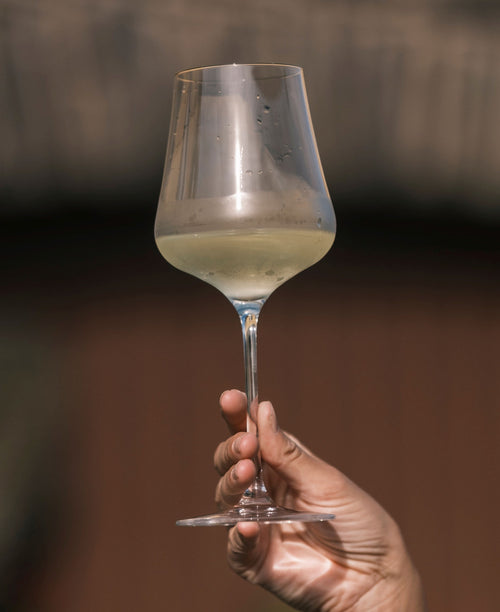
Saar white wines

Saar White Wine – Discover the best wines of the Saar at winemaker prices!

Saar white wines are on the rise and are enjoying increasing popularity! Amidst the constant changes of climate change, our winemakers are using the warmer conditions to produce outstanding white wines. The unique steep slate slopes offer the ideal terroir for Riesling. But Pinot Blanc, Pinot Gris, Auxerrois, Müller-Thurgau and Chardonnay also thrive here.

Order the Saar white wines from our top winemakers at winemaker prices from us below.

Alle Weine
Klein: 95+ / 100
Riesling
slightly tart
Hofgut Falkenstein
Hofgut Falkenstein Niedermenniger Herrenberg Spätlese feinherb AP 11 Meyer Nepal 2023
33,20 € / l
24,90 €
Tax included
Klein: 95+ / 100
Riesling
fruity
Stefan Mueller
Stefan Müller Krettnacher Euchariusberg Riesling Kabinett Alte Reben 2023
20,00 € / l
15,00 €
Tax included
Klein: 95+ / 100
Riesling
noble sweetness
Unterlind
Unterlind Trittenheimer Apotheke Spätlese 2022
53,20 € / l
39,90 €
Tax included
Klein: 92+ / 100
Riesling
slightly tart
Saarstein Castle
Schloss Saarstein Saarsteiner Kabinett feinherb 2024
18,67 € / l
14,00 €
Tax included
Klein: 92+ / 100
Riesling
fruity
Unterlind
Unterlind Leiwener Laurentiuslay Kabinett 2022
39,87 € / l
29,90 €
Tax included
Klein: 95+ / 100
Riesling
dry
Hofgut Falkenstein
Hofgut Falkenstein Krettnacher Ober Schäfershaus Spätlese trocken AP 18 Lorenz Manni 2023
37,20 € / l
27,90 €
Tax included
Klein: 90+ / 100
Auxerrois
dry
Saarstein Castle
Saarstein Aux vom Berg dry 2022
14,00 € / l
10,50 €
Tax included
Klein: 88+ / 100
Riesling
slightly tart
Appel
Appel Saarburger Rausch, slightly dry, 2023
9,47 € / l
7,10 €
Tax included
Klein: 93+ / 100
Riesling
fruity
Unterlind
Unterlind Brauneberger Juffer Kabinett 2022
39,87 € / l
29,90 €
Tax included
Klein: 94+ / 100
Riesling
fruity
Unterlind
Unterlind Trittenheimer Apotheke Kabinett 2022
39,87 € / l
29,90 €
Tax included
Klein: 91+ / 100
Riesling
semi-dry
Saarstein Castle
Saarstein Castle Saarsteiner Kabinett semi-sweet 2022
18,67 € / l
14,00 €
Tax included
Klein: 94+ / 100
Riesling
fruity
Stefan Mueller
Stefan Müller Niedermenniger Sonnenberg Riesling Kabinett Old Vines 2024
17,33 € / l
13,00 €
Tax included
Klein: 95+ / 100
Riesling
slightly tart
Hofgut Falkenstein
Hofgut Falkenstein Niedermenniger Herrenberg Kabinett feinherb AP 4 Onkel Peter 2023
33,20 € / l
24,90 €
Tax included
Klein: 95+ / 100
Riesling
noble sweetness
Hofgut Falkenstein
Hofgut Falkenstein Krettnacher Euchariusberg Spätlese Klaus 2023
39,87 € / l
29,90 €
Tax included
Klein: 94+ / 100
Riesling
fruity
Hofgut Falkenstein
Hofgut Falkenstein Krettnacher Euchariusberg Kabinett Kugel Peter 2023
31,87 € / l
23,90 €
Tax included
Klein: 92+ / 100
Riesling
dry
Hofgut Falkenstein
Hofgut Falkenstein Niedermenniger Herrenberg Kabinett trocken AP 19 Egon 2023
25,20 € / l
18,90 €
Tax included
Klein: 94+ / 100
Riesling
noble sweetness
Stefan Mueller
Stefan Müller Krettnacher Euchariusberg Riesling Auslese 2023
24,00 € / l
18,00 €
Tax included
Forstmeister Geltz-Zilliken Riesling trocken 2023
Klein: 90+ / 100
Riesling
dry
Foreman Geltz-Zilliken
Forstmeister Geltz-Zilliken Riesling trocken 2023
16,67 € / l
12,50 €
Tax included
Klein: 89+ / 100
Riesling
dry
Stefan Mueller
Stefan Müller Riesling trocken 2023
12,67 € / l
9,50 €
Tax included
Klein: 91+ / 100
Riesling
dry
by Othegraven
Von Othegraven MAX Riesling dry 2023
16,67 € / l
12,50 €
Tax included
Klein: 91+ / 100
Riesling
dry
Peter Lauer
Peter Lauer Faß 25 Ayler Riesling trocken 2023
22,53 € / l
16,90 €
Tax included
Klein: 94+ / 100
Riesling
slightly tart
Hofgut Falkenstein
Hofgut Falkenstein Niedermenniger Herrenberg Spätlese feinherb AP 3 Palm 2023
33,20 € / l
24,90 €
Tax included
Klein: 93+ / 100
Riesling
fruity
Hofgut Falkenstein
Hofgut Falkenstein Krettnacher Euchariusberg Kabinett Ternes 2023
31,87 € / l
23,90 €
Tax included
Klein: 93+ / 100
Riesling
noble sweetness
Stefan Mueller
Stefan Müller Krettnacher Euchariusberg Riesling Spätlese Alte Reben 2023
20,00 € / l
15,00 €
Tax included
Buy white wine
Our online shop invites you to buy white wine and explore the diversity of this noble beverage. From aromatic Rieslings to silky smooth Pinot Gris and elegant Chardonnays – our range offers a wide variety of white wines for every taste and occasion. Each bottle tells the story of its terroir and reflects the winemaker's craftsmanship. We value the highest quality, so you can be sure that every wine in our range has been carefully selected by us. Whether you are looking for a light companion for social gatherings or a sophisticated drop for special occasions – here you will find the perfect white wine. Enjoy the convenience of buying white wine online and be inspired by the ease of shopping and the wealth of taste experiences. Order today and look forward to exquisite white wine enjoyment directly in your home. Cheers!
White wine varieties
Discover the fascinating variety of white wine varieties in our exquisite assortment. From the refreshing vivacity of a Riesling to the elegant complexity of a Chardonnay, our white wine varieties offer something for every taste and occasion. The balanced Pinot Gris seduces with ripe fruit notes, while the mineral Riesling reveals the uniqueness of its region of origin. Immerse yourself in the world of white wine varieties and experience how these fine wines seduce your senses.
White wine alcohol content
The alcohol content of white wine plays a crucial role in the overall experience, as it influences the character, freshness, and aromas of the wine. Our carefully selected white wines are characterized by balanced, mostly relatively low alcohol levels, which emphasize the fruitiness and finesse of the grapes. From light, sparkling wines with lower alcohol content, ideal for social occasions, to more complex varieties with slightly higher alcohol content for discerning palates, we offer a wide range of options. Discover the world of white wines and find the perfect drop with the alcohol content that suits your personal preferences.
Sweet white wine
Discover the sweet side of enjoyment with our semi-sweet white wines – a tempting selection for lovers of gentle, fruit-forward wines. Semi-sweet white wines seduce with their pleasant sweetness and offer a harmonious balance of freshness and fruitiness. Riesling is the prime example here, as it is considered perhaps the best grape variety for producing semi-sweet white wines. It reaches its peak in the Saar region! Semi-sweet white wines are perfect as light-hearted companions to light dishes, desserts, or simply as a delightful refreshment. Whether you are looking for a wine for social gatherings or a sweet treat for special moments – our selection offers you sweet temptation in every bottle.
Sweet white wine
Immerse yourself in a world of sweet temptations with our exquisite sweet white wines. The sweet nuance gives these wines an irresistible elegance and makes them a delight for discerning palates. Our carefully selected collection of sweet white wines includes a variety of delicious Riesling varieties, which, like no other grape variety, is ideally suited to producing an outstanding sweet white wine. Thanks to its lively acidity, the resulting sweet white wines never taste cloyingly sweet and develop a great drinkability. Sweet white wine is not just a drink, but a sensory experience. These wines are perfect as an accompaniment to desserts, fruity dishes, or as an independent, sweet treat after a delicious meal. Experience the sweet side of wine enjoyment by buying sweet white wines online!
White wine temperature
The right temperature plays a crucial role in unlocking the full spectrum of aromas in a white wine. When storing and serving white wine, it's important to consider the ideal temperature to guarantee an unforgettable drinking experience. Generally, light, fruity white wines should be served at a temperature of around 8-12 degrees Celsius. This emphasizes the freshness and fruity nuances of these wines. More complex, full-bodied white wines, such as Chardonnay or Pinot Gris, develop their aromas best at a slightly higher temperature between 10-14 degrees Celsius. For sweet white wines, such as late-harvest or noble-sweet Auslese, a serving temperature between 6-10 degrees Celsius is recommended. This preserves the sweet elegance of these wines and ensures a balanced taste experience.
White wine is best stored at a constant temperature, ideally between 10-15 degrees Celsius, to prevent premature aging. A cool, dark room without strong temperature fluctuations is particularly advantageous.
Why do people drink white wine cold?
Enjoying white wine at cool temperatures is not merely a tradition, but a culinary practice that optimally brings out the flavor nuances and aroma spectrum of the wine. So why drink white wine cold? The cooler serving temperature of white wine – generally between 8 and 14 degrees Celsius – is crucial for the taste experience. The coolness helps to emphasize the freshness and fruity notes of the wine, while simultaneously allowing any potential bitterness and alcohol intensity to recede into the background. This temperature practice has a particularly positive effect on light, sparkling white wines, emphasizing the refreshing vivacity of the grapes. Furthermore, the coolness ensures that sweet white wines retain their sweetness and do not appear overly opulent. In addition, the coolness of the white wine allows it to warm up more slowly in the glass, leading to a gradual unfolding of the aromas and offering the wine drinker a constantly changing taste experience.
How long does white wine need to be refrigerated?
Generally, white wine should be stored in the refrigerator once opened to prevent oxidation and preserve its flavor. Opened white wine stays fresh for about 3-5 days at a temperature of approximately 7-10 degrees Celsius. It's important to note that refrigeration slows down the maturation process of white wine. Therefore, it's advisable to store white wine intended for longer-term preservation in a wine cellar or a cool, dark room.
Is white wine chilled?
Absolutely, white wine is usually chilled – a practice that not only follows tradition but also optimizes the enjoyment of this fine beverage. The serving temperature of white wine typically lies between 8 and 14 degrees Celsius. This cooler temperature not only highlights the fruity aromas of the wine, but also emphasizes refreshing liveliness and acidity. Overall, the cooler serving temperature contributes to white wine being enjoyed in its optimal form – refreshing, aromatic, and perfectly balanced.
What is the best white wine?
The search for the best white wine is as fascinating as the variety of grapes themselves. The "best" choice depends heavily on personal preferences and occasions. Here are some outstanding white wines that are often considered the best due to their quality and popularity:

1. Riesling:
With an impressive range from dry to sweet, Riesling delights wine lovers worldwide. This grape variety offers a fascinating variety of aromas, from peach and apricot to mineral notes.

2. Chardonnay:
A classic with worldwide recognition. Chardonnay wines vary from fresh and fruity to creamy and full-bodied, depending on the growing area and vinification.

3. Sauvignon Blanc:
Known for its invigorating freshness and aromas of gooseberry and green grass, Sauvignon Blanc is a refreshing accompaniment to many dishes.

4. Pinot Grigio/Pinot Gris:
Light and accessible, Pinot Grigio offers refreshing notes of green apple and citrus fruits. Pinot Gris, especially from Alsace, can have a creamier texture and richer aromas.

5.
Gewürztraminer:
This aromatic wine is known for its intense rose blossom and spice notes, making it an ideal accompaniment to exotic cuisine.
It's important to emphasize that the "best" white wine depends heavily on individual preferences. Experiment with different varieties, vintages, and regions to find the white wine that best suits your taste.
What types of white wine are there?
The world of white wine is as diverse as it is fascinating, and there is a wide range of white wine varieties that cover the most diverse tastes and aromas. Here are some of the most fascinating types of white wine:

1. Riesling:
This German grape variety is characterized by its impressive diversity, from dry to sweet. Aromas of peach, apricot and citrus, as well as its ability to make the origin, the so-called terroir, particularly palatable, make Riesling a favorite.

2. Chardonnay:
This versatile grape variety can cover an impressive range of styles, from fresh and fruity to full-bodied and oak-aged.

3. Sauvignon Blanc:
Known for its lively acidity and aromatic notes of green grass, gooseberry and citrus fruits. Sauvignon Blanc is refreshing and goes well with light dishes.

4. Pinot Grigio/Pinot Gris:
Pinot Grigio often exhibits fresh green apple and citrus aromas, while Pinot Gris from Alsace can have a richer texture and fruity intensity.

5. Gewürztraminer:
This aromatic variety is known for its intense floral and spicy notes, which make it a unique and unmistakable white wine.

6. Viognier:
An aromatic grape with floral notes of peach, apricot and sometimes exotic spices. Viognier often produces full-bodied and sensual wines.

7. Chenin Blanc:
Versatile and produced in various styles, from dry to sweet. Chenin Blanc can have aromas of green apple, honey and even slightly mineral notes.

8. Verdejo:
A Spanish grape variety that is fresh and crisp, often with aromas of citrus fruits and green apple.
This list is just a small glimpse into the fascinating world of white wine varieties. Each grape variety and region brings its own unique nuances, and discovering this diversity is an exciting part of the wine adventure. Cheers!
Why is white wine better tolerated than red wine?
The question of why white wine is often better tolerated than red wine is related to several factors, including the composition of the wines and individual tolerances. Here are some reasons why many people find white wine easier to digest:

1. Tannins:
Red wines often contain more tannins than white wines. Tannins are compounds derived from the skins and seeds of the grapes and give red wines their characteristic structure and astringency. Some people are sensitive to tannins, which can lead to headaches or stomach problems. White wines, which generally contain fewer tannins, are perceived as milder.

2. Acidity:
White wines often have a higher acidity level, which on the one hand can promote digestion. This can be particularly pleasant with fatty foods and contribute to the wine being more easily tolerated. On the other hand, many people react sensitively to acidic foods and drinks and have problems with heartburn.

3. Histamine:
Red wines generally contain more histamine than white wines. Histamine can lead to headaches, allergy-like symptoms, or digestive problems in some people. The generally lower amount of histamine in white wines makes them better tolerated by some people. Riesling from the Saar region belongs to the group of wines that tend to produce little histamine due to their growing and production conditions (low pH value, no barrique aging, no biological acid reduction).

4. Tannins:
In addition to tannins, red wines also contain astringents, which, in conjunction with tannins, are responsible for the structure and body of the wine. These can cause stomach upset in some people.

It's important to note that the tolerability of wine depends heavily on individual constitution, personal preferences, and even the accompanying food. Some people find that they tolerate white wine better, while others prefer red wine. Moderation is key, and it's worth trying different wines to find out which ones best suit your personal well-being.
How long does opened white wine stay fresh in the refrigerator?
The shelf life of opened white wine in the refrigerator is a frequently asked question, especially when you don't finish a bottle in one sitting. The answer depends on several factors, including the wine itself, storage conditions, and personal preferences. Generally, opened white wine stays fresh in the refrigerator for about 3-5 days. It's important to reseal the bottle tightly to prevent oxidation, which can affect the taste. Chilling also slows down the aging process of the wine. Lighter, fresher white wines, such as Sauvignon Blanc or Pinot Grigio, tend to oxidize faster, so it's advisable to enjoy them within the first few days. On the other hand, fuller-bodied white wines with a slightly higher alcohol content can last longer. A helpful tip is to pour the wine into a smaller bottle or airtight container to minimize contact with oxygen. This can help preserve the wine's freshness. It's important to note that the quality of opened white wine can decrease over time, and the taste may change. Therefore, it's recommended to enjoy wines as fresh as possible to ensure the best sensory experience.
How should white wine be stored?
Proper storage of white wine is crucial to preserving the quality and flavor integrity of this fine beverage. Here are some important tips on how to store white wine optimally:

1. Temperature:
White wine is best stored at a constant temperature between 10 and 15 degrees Celsius. Avoid large temperature fluctuations, as these can negatively affect the wine. A storage location that is too cold can lead to crystal formation, while too much heat can accelerate the aging process.

2. Light:
White wine should be protected from excessive light exposure, especially direct sunlight. UV light can age the wine and cause undesirable flavors to develop. Therefore, store white wine in a dark room or on a wine rack with opaque bottles.

3. Humidity: Moderate humidity (around 70-80%) is beneficial to keep the cork moist and prevent it from drying out. Too dry an environment can cause the cork to shrink and allow air into the bottle.

4. Warehouse location:
Ideally, store bottles lying down to ensure that the cork remains in contact with the wine at all times. This helps to ensure a reliable seal and minimize the oxidation process.

5. Vibrations:
White wine should be stored in a quiet environment to minimize disturbances and vibrations. These can negatively affect the wine's development.

6. Odors:
Store white wine away from strongly smelling substances, as wine tends to absorb odors. This can affect the taste of the wine.
Consistency is key when storing white wine. By following these storage recommendations, you can ensure that your white wine retains its freshness, flavor variety, and quality over time.
How long is a closed bottle of white wine shelf-stable?
The shelf life of a closed bottle of white wine depends on several factors, including the type of wine, the vintage, and the storage conditions. Generally, most white wines are best enjoyed within the first two to three years after purchase. However, some varieties, such as high-quality Riesling or Chardonnay, can be stored for much longer and develop over time. It's important to note that not all white wines are suitable for long-term storage. Lighter and fresher white wines, such as Sauvignon Blanc or Pinot Grigio, are often drunk young and tend to peak earlier. More complex varieties, such as a mature Riesling or a high-quality Chardonnay, can benefit from longer storage. To maximize shelf life, it is crucial to store the bottles in a cool, dark place to minimize temperature fluctuations. White wine bottles should also be stored lying down to keep the cork moist and ensure a reliable seal.